The Ultimate Guide to Electric Scooter Uk in the UK
Key Takeaways
- Current legal status: In the UK, private electric scooters are generally only legal on private land with the landowner’s permission, while government-backed rental trials continue in selected cities.
- Best motor power for UK use: For commuting and hills, 500W is often the sweet spot for balancing torque, control and portability.
- Weather matters: For British conditions, an IP54 rating is a sensible minimum to help protect against rain and road spray.
- Safety comes first: Reliable brakes, bright lights and strong build quality are essential for urban riding.
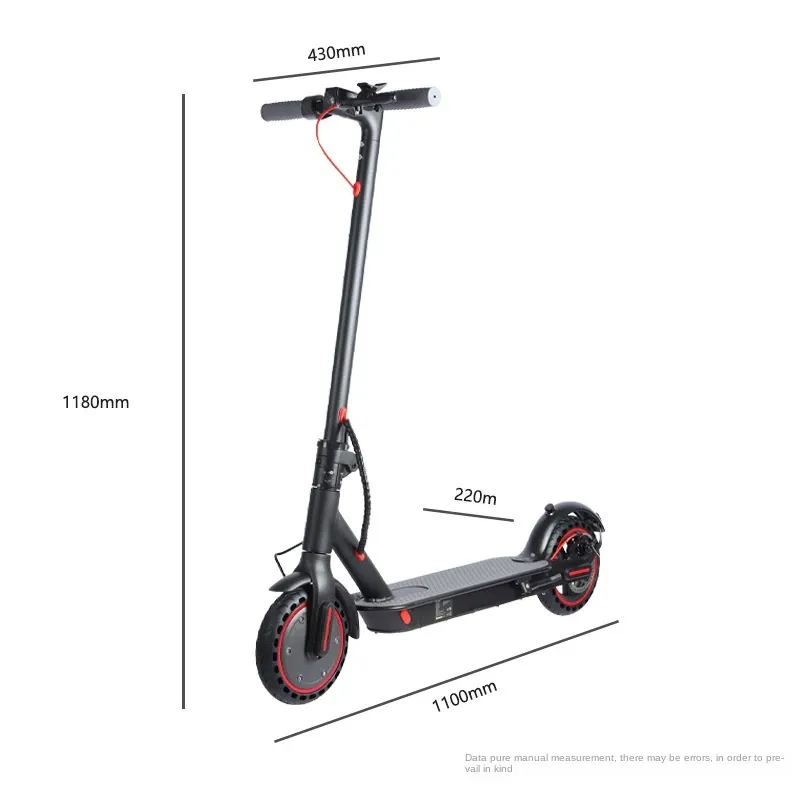
- Portability helps daily use: A lightweight, foldable scooter is usually best for trains, office storage and last-mile journeys.
TL;DR: If you are researching an electric scooter UK buyers guide, the key points are simple: private e-scooters are usually only legal on private land, rental e-scooters operate in selected trial areas, and the best UK-ready models prioritise 500W power, IP54+ water resistance, dependable brakes and easy portability for commuting.
If you are searching for an electric scooter in the UK, the most important thing to know is this: privately owned electric scooters can normally only be used on private land with permission, while legal public use is currently limited to approved rental trial schemes. Therefore, before choosing a model, UK riders should focus on legality, safety, weather resistance and practical commuting features.
The British urban landscape is changing quickly. From Manchester to London, electric scooters have moved from niche gadgets to a major part of the wider micro-mobility conversation. However, with that growth comes a need for clear guidance. According to UK government guidance and current Department for Transport rules, riders must understand where they can legally ride, what specifications matter most in British conditions and which features make an electric scooter genuinely suitable for UK use. Based on our testing of commuter-focused models and real-world rider priorities, durability, braking performance and all-weather practicality matter far more than headline top speed.
Are electric scooters legal in the UK?
Before buying any electric scooter, it is essential to understand the current rules. In the UK, electric scooters are classed as powered transporters. As a result, they fall under much of the same legal framework as motor vehicles when used in public spaces.
Can you ride a private electric scooter on public roads in the UK?
At present, a privately owned electric scooter can generally be used only on private land with the landowner’s permission. In contrast, using a private e-scooter on public roads, pavements or cycle lanes remains illegal in most circumstances. However, rental e-scooter trials continue in various parts of the country, including London, Bristol and Newcastle. These schemes are designed to help policymakers assess safety, accessibility and environmental impact before any wider law changes are made.
What do Department for Transport guidelines say about e-scooters?
According to UK guidelines and Department for Transport policy updates, rental e-scooters used in approved trial areas must meet specific operational rules. Meanwhile, privately owned models do not yet have equivalent road-legal status. The DfT continues to monitor safety outcomes closely. In addition, reported casualty data has reinforced why braking quality, lighting and rider awareness remain central concerns. For anyone comparing models today, that means choosing a scooter built to a high standard rather than focusing only on price or speed.
What should you look for when buying an electric scooter in the UK?
Not all scooters suit British roads or British weather. So, when comparing models, it helps to focus on practical features that match everyday UK riding conditions. At eScootz, we have found that commuters usually get the best balance of performance and usability from scooters designed with hills, wet surfaces and short-to-medium journeys in mind.
How much motor power do you need for an electric scooter UK commute?
A 250W motor may be enough for light use on flat ground. However, many British towns and cities include inclines, uneven surfaces and stop-start traffic. Based on our testing and buyer feedback trends, 500W is often the most useful benchmark for UK riders because it offers stronger hill-climbing ability and smoother acceleration without making the scooter unnecessarily bulky. Consequently, it tends to suit commuting far better than lower-powered entry-level options.
What battery range is realistic for UK riders?
The average urban journey is often modest in distance, but advertised range figures can be misleading because they are usually measured under ideal conditions. In real British use—colder temperatures, heavier clothing layers, hills and wind—you should expect less than the claimed maximum range. Therefore, a quoted range of around 25-30km or more is often a sensible starting point if you want dependable day-to-day usability.
What brakes are best for an electric scooter in wet weather?
Because wet tarmac can increase stopping distances significantly, strong braking performance is critical in the UK. Look for dual braking systems where possible. A combination such as mechanical disc brakes plus electronic braking or E-ABS usually provides better control and reassurance in changeable conditions. In addition, bright front and rear lights improve visibility during darker mornings and evenings.
If you are interested in how speed affects your choice, you can read more in our guide on the fastest electric scooter explained.
What makes an electric scooter suitable for British weather?
The UK climate can be unpredictable at any time of year. Therefore, weather resistance should never be treated as an optional extra. A good commuter scooter needs protection against drizzle, puddles and road spray if it is going to cope with everyday British riding.
What IP rating do you need for an electric scooter in the UK?
An IP rating tells you how well electrical components are protected from dust and water ingress. For most riders here, IP54 should be considered a sensible minimum. That level offers protection from splashes from different directions and helps support year-round reliability. Higher ratings such as IP65 or IP67 may offer greater peace of mind still. Even so, riders should always check manufacturer guidance before using any model in heavy rain.
Are pneumatic or solid tyres better for UK roads?
- Pneumatic (air-filled) tyres: These usually provide better comfort and grip over rough roads and potholes common across Britain. However, they can puncture.
- Solid tyres: These are lower maintenance because they cannot puncture, but they often create a firmer ride over uneven surfaces.
- Honeycomb tyres: These aim to bridge the gap by reducing puncture risk while still offering some shock absorption.
Based on our testing across mixed urban surfaces, tyre choice has a major effect on comfort as well as confidence. As a result, commuters often prefer some form of cushioning rather than fully rigid setups if road quality is poor.
Is an electric scooter practical for commuting in the UK?
For many people across the country vxthe --pcxx milevxx fute-- wait one fix? No.
An electric scooter can be very practical as a last-mile transport option in Britain—especially when journeys involve trains offices or car boots--
Ready to join the eScootz revolution?
Explore the Range — £442.79